

TAKING BACK THE CONVERSATION
Part 1. We're at a loss for words.

Someone inside a Fortune 50 company told me he could “no longer convene a meeting to discuss sustainability because no one will admit to association with that word.”
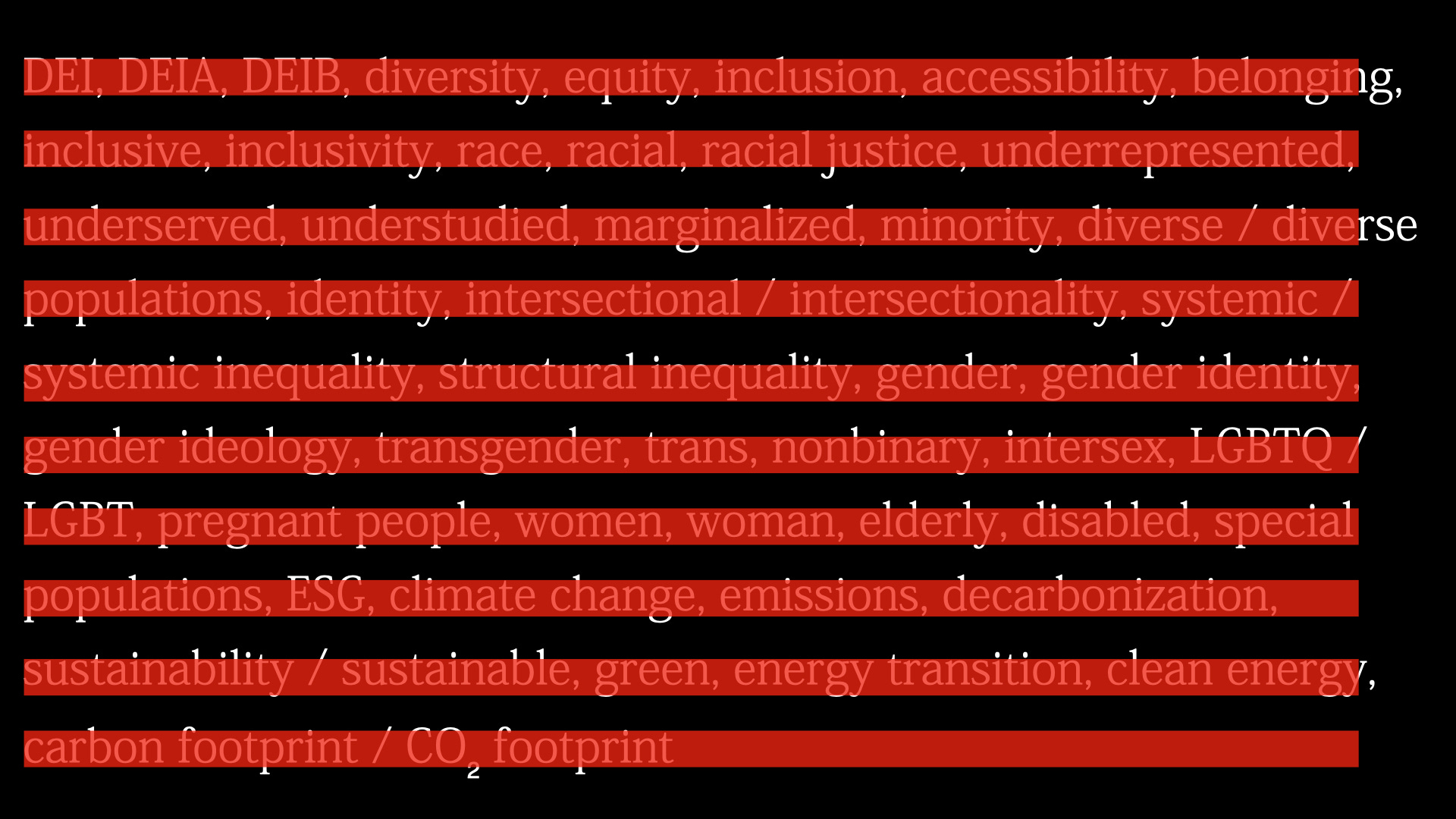
One of the most effective methods of oppressing people is to prevent them from using their own language. When communities are denied access to the shared vocabulary that describes their reality, what’s real to them loses dimension, flattening into fewer categories. Accumulated knowledge about their environment, beliefs and community structure is more difficult to convey, and over time, harder to notice. Memory is robbed when oral histories and inherited ways of making sense of time and cycles become fragmented. Power shifts, too, as the group forced into abandoning its own language for the oppressor’s is forced to think, negotiate and understand itself using imposed terms, often without the meaning that made the words matter in the first place.
History offers far too many instances of silenced people and cultures. In the U.S. and Canada, policy dictated that children of indigenous tribes could not speak their ancestral languages, and those who did were sometimes violently punished for it. Similar stories are told all over the world.
Senior-level people in successful businesses are not accustomed to comparing themselves to vulnerable indigenous populations. The scale is different.
But the mechanism —the loss of language, and with it shared understanding — is worth paying attention to.
As Annie Dillard said so beautifully in her essay, Total Eclipse: “All those things for which we have no words are lost.”
This dilemma has been on my mind a great deal lately. I listen to people who have spent their lives leading efforts to respect the earth and the life it supports, as they attempt to talk about their values without using the shared words edited out of “acceptable” contemporary vocabulary. The result is not, to use a forbidden word, sustainable.
Taking back the conversation means reasserting our agency over what we talk about. And therefore what we see, think and do.
Restoring our language does much more than just give us a few words back. It means reasserting our agency to decide what can be said, what it is possible to imagine, and what counts as real and important.
The conversation can be reclaimed.
Instances of people reviving their native language are emerging: Basque, Welsh, Hawaiian, Mäori to name a few. What we can learn from these examples is that it often begins by teaching children. That’s not surprising, but here’s something that is: the language doesn’t come back in the same forms. Because language, when it’s working, is alive. Within communities that commit to cultural self-determination, new words and new uses emerge as part of the vernacular as living language evolves
The first step is to recognize that many of the words we’d been using aren’t worth fighting for.
The acronyms and neologisms of business are abstract and trendy. They don’t connect us to the real world and most of the time, just don’t matter. They often divide instead of uniting.
George Lakoff’s Don’t Think of An Elephant was a seminal read, in which he analyzed how language can be designed to manipulate, by forming frames to create mental models that affect perception. Tax Relief is one example he used. Just by using that term, no matter what we say about it, we accept that taxes are something we need relief from, rather than a just dues paid for a functioning free society.
When I think of the language we need to reconnect and re-energize our values, it is not more meaningless sequences of capital letters or neologisms that further abstract and disconnect us from the real world. I think about the lesson of Indigenous languages (funny that the people who have been silenced are those who, we realize now, have the most important things to say) or poets who get inside us with their plain but powerful words and make us more alive.
Can we even find language that doesn’t default to binary — that doesn’t force a choice between doing business and doing good?
That’s a conversation worth having.
Great piece. Cheryl. It’s part of the scarcity mentality that drives churn in buzzwords (faster than ever) and people are prodded to grasp for new when what exists can be enough. Language should evolve based on the circumstances it describes, not fashion.